Welcome to be our next partner! Email: admin@ykdajue.cn / Email: jack@ykdajue.cn

Author: Site Editor Publish Time: 2026-05-18 Origin: Site
As consumer preferences shift towards more practical, affordable, and sustainable solutions, the demand for lightweight furniture is experiencing exponential growth in the global home furnishing market. This trend is particularly evident in Non Woven Wardrobes, Plastic Shoe Racks, and Non Woven Shoe Cabinets, all of which have gained traction due to their affordability, ease of use, and eco-friendly characteristics. This article explores why lightweight furniture is becoming a new trend in the global home furnishing industry and how suppliers can take advantage of this growing market.
In recent years, lightweight furniture has gained significant popularity due to its practicality and versatility. Unlike traditional furniture, which is often bulky and hard to move, lightweight furniture offers consumers a more convenient and adaptable solution.
Ease of Transportation and Assembly:Lightweight furniture, such as Non Woven Wardrobes and Plastic Shoe Racks, is easier to transport and assemble compared to traditional wooden or metal alternatives. This is particularly important for consumers purchasing online, where home delivery and easy assembly are highly valued.
Space Efficiency: With the increase in urbanization and smaller living spaces, consumers are looking for space-saving, flexible furniture that can be easily moved or reconfigured. Lightweight options like Non Woven Shoe Cabinets provide practical storage without compromising on design or functionality.
Sustainability:Consumers today are more environmentally conscious and are seeking sustainable furniture options. Many lightweight furniture pieces are made from recycled materials or materials that comply with eco-friendly standards such as REACH and RoHS, which makes them a more sustainable choice.
In an era where cost-effectiveness is a significant factor in purchasing decisions, lightweight furniture offers a more budget-friendly option without sacrificing quality. Products such as Non Woven Wardrobes are typically more affordable to produce and purchase than traditional wooden wardrobes, making them accessible to a broader range of consumers.
Affordable Production: Lightweight materials such as non-woven fabric and plastic are cheaper to source and manufacture compared to solid wood or metal, allowing suppliers to offer competitive pricing without compromising product quality.
Bulk Order Potential: Because of the affordability and convenience, lightweight furniture is ideal for bulk orders. Retailers and e-commerce platforms looking to cater to a broader customer base can place large orders without exceeding their budgets.
Retail-Ready Packaging: Lightweight furniture often comes with retail-ready packaging that is both cost-efficient and easy to handle. This helps suppliers streamline their supply chains and reduce logistics costs.
Non Woven Wardrobes, Plastic Shoe Racks, and Non Woven Shoe Cabinets can be highly customized to suit various consumer preferences and needs. In a competitive market, offering OEM and ODM solutions has become a crucial factor for suppliers looking to attract a global clientele.
Design Flexibility: Suppliers can offer customized sizes, colors, and patterns for Non Woven Wardrobes or Plastic Shoe Racks, allowing B2B buyers to cater to different market segments, including high-end retail, budget stores, or online e-commerce platforms.
Branding Opportunities: The ability to print logos and brand designs on lightweight furniture products such as Non Woven Shoe Cabinets adds significant value for businesses. Brand customization is a key selling point for suppliers looking to appeal to larger retail chains or commercial buyers.
Bulk Order Customization:Suppliers can offer customized packaging for bulk orders, catering to specific logistical needs and ensuring that the product arrives in optimal condition for the end customer.
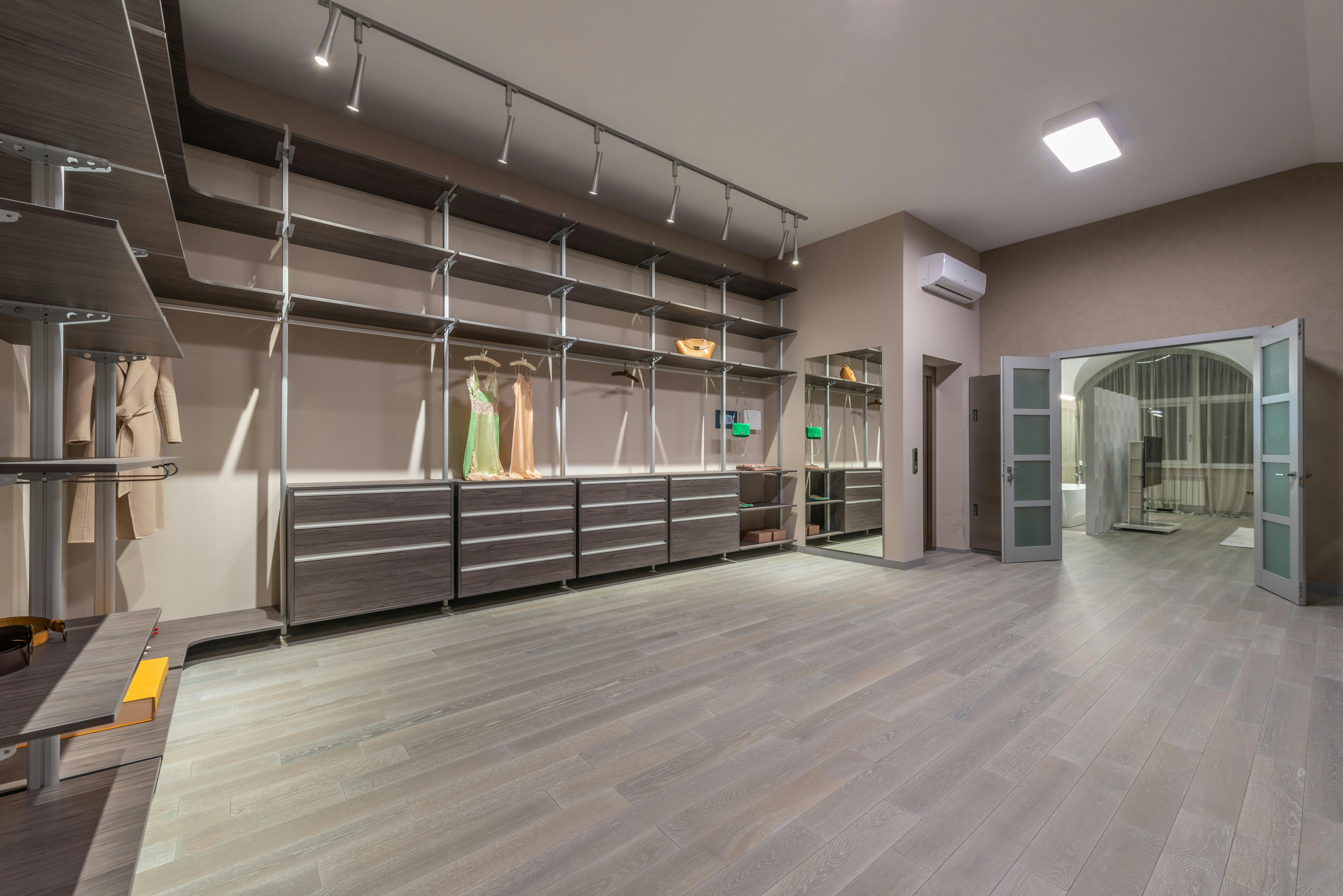
One of the challenges faced by suppliers of lightweight furniture is ensuring durability without compromising on weight. Thankfully, advances in material science have made it possible to produce lightweight furniture that meets stringent quality standards while maintaining strength and stability.
Material Quality: Lightweight furniture made from high-quality non-woven fabric or plastic can be surprisingly durable, provided it meets the necessary material thickness, weight tolerance, and UV resistance standards. Testing for abrasion resistance, load-bearing capacity, and tear strength ensures that these products are built to last.
Industry Standards Compliance:Suppliers must adhere to ISO 9001 for quality management systems, ensuring consistency in manufacturing and the final product. Products should also pass performance tests for weight capacity and UV resistance to guarantee they can withstand various environmental conditions.
Sustainability Standards: Compliance with environmental standards such as OEKO-TEX and Prop 65 ensures that the materials used in lightweight furniture are non-toxic and free from harmful chemicals, making them safer for both consumers and the environment.
The versatility of lightweight furniture makes it an ideal choice for a wide range of applications.Whether it’s for home storage,commercial use in hotels or schools, or for promotional gift programs, lightweight storage solutions like Non Woven Wardrobes and Plastic Shoe Racks can meet the diverse needs of businesses and consumers alike.
Residential Storage:Lightweight furniture is an ideal choice for small apartments,dormitories, and rental properties where space is limited.Products like Non Woven Shoe Cabinets provide affordable and flexible storage options.
Commercial and Hospitality Use: Hotels, schools, and apartments require storage solutions that are both functional and cost-efficient.Plastic Shoe Racks and Non Woven Wardrobes offer a practical, space-saving solution for these industries.
Promotional Products: Due to their low cost and versatility, lightweight furniture pieces such as Non Woven Shoe Cabinets are often used as promotional items or corporate gifts, offering excellent branding opportunities.
As the market for lightweight furniture continues to expand, we are likely to see further advancements in both material science and manufacturing technology. Companies that invest in sustainable production practices, innovative design, and eco-friendly materials will have a competitive edge in the future.
Smart Furniture:The integration of technology with lightweight furniture, such as smart storage solutions, is an area that will likely grow in popularity. Consumers and businesses alike are looking for furniture that not only serves a functional purpose but also integrates seamlessly into their digital lives.
Eco-Friendly Innovations: As sustainability becomes a top priority for both consumers and manufacturers, expect to see more biodegradable or recyclable materials used in the production of Non Woven Wardrobes and Plastic Shoe Racks.
Modular and Multifunctional Designs: The future of lightweight furniture will likely involve modular designs that can be easily customized or expanded based on the needs of the user, making them even more adaptable to changing consumer demands.
Material | Weight | Durability | Cost | Sustainability | Common Use |
Non-Woven Fabric | Light to Moderate | High | Low | Recyclable, eco-friendly | Wardrobes, Shoe Cabinets |
Plastic | Light | Moderate | Low | Recyclable (depending on type) | Shoe Racks, Storage Units |
Metal (Lightweight) | Moderate | Very High | Moderate | Recyclable | Shelving, Commercial Use |
Wood (Lightweight) | Moderate | High | High | Eco-friendly (if sustainably sourced) | Furniture, Storage Units |
The growing demand for lightweight furniture in the global home furnishing market represents a significant opportunity for suppliers, especially those specializing in Non Woven Wardrobes, Plastic Shoe Racks, and other storage solutions.By focusing on key factors such as affordability, sustainability, customization, and quality control, suppliers can position themselves to meet the demands of an increasingly diverse and environmentally-conscious market.
For further information or any inquiries, please feel free to visit our website at www.ykdajue.com or contact us via email at admin@ykdajue.cn or jack@ykdajue.cn. For more details, you are also welcome to explore our website at www.ykdajue.com.


