Welcome to be our next partner! Email: admin@ykdajue.cn / Email: jack@ykdajue.cn

Author: Site Editor Publish Time: 2026-04-09 Origin: Site
When sourcing plastic shoe racks for wholesale or bulk purchases, procurement managers, retail buyers, and commercial institutions must carefully evaluate various factors to ensure they make an informed purchase. The balance between price, product quality, and transportation costs is crucial to securing a profitable deal without compromising on product performance. This comprehensive guide will explore the essential considerations for wholesale buyers looking to source plastic shoe racks, including quality standards, cost optimization strategies, and best practices for supplier evaluation.
The first step in purchasing plastic shoe racks wholesale is to understand the key quality parameters that will affect the product’s performance and longevity. Buyers should evaluate the material quality, design structure, and ease of assembly to ensure the racks meet both functional and aesthetic needs.
Plastic shoe racks are made from various types of plastic, including polypropylene (PP), high-density polyethylene (HDPE), and ABS plastic. Each material offers unique benefits in terms of durability, flexibility, and resistance to wear and tear.
Polypropylene (PP): Known for its excellent durability and resistance to chemicals, PP is ideal for long-term use in high-moisture environments.
ABS Plastic: Provides higher impact resistance and is often used for higher-end racks with more intricate designs.
When sourcing in bulk, it’s crucial to verify the material's GSM (grams per square meter) and whether the supplier offers ISO 9001 certification to ensure quality control during manufacturing. Additionally, check if the material complies with RoHS and REACH standards, which ensure the absence of harmful substances.
Design flexibility and assembly ease are significant factors in determining the plastic shoe rack's suitability for commercial and residential use. For businesses, easy assembly is crucial to ensure that products are efficiently set up and ready for sale or use.
Many plastic shoe racks come in modular designs that allow for easy customization. These modular racks can be adjusted based on customer needs, such as adding more tiers or combining multiple units for larger storage. This adaptability is particularly useful for retailers and e-commerce sellers who need versatile storage solutions.
Additionally, check whether the manufacturer offers OEM and ODM services, as this can provide opportunities for custom branding and tailored designs that meet your specific market requirements.
Design Type | Benefits
| Ideal Use
| Customization Options
|
Stackable Racks | Easy assembly, space- saving
| Retail spaces, homes
| Custom tiers, colors |
Modular Units | High adaptability | Hotels, schools, offices
| Adjustable size, logos |
Multi-Tier Racks | Max load capacity | E-commerce, high-volume sales | Custom branding |
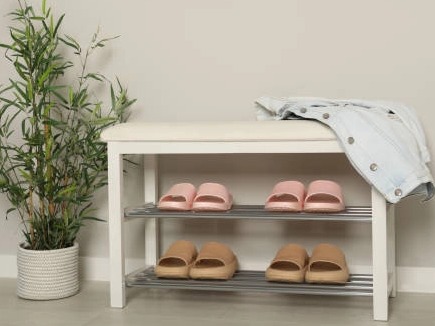
Price is a primary consideration when purchasing in bulk. However, the cheapest option is not always the most cost-effective in the long run. A balance between quality, price, and value for money should be established.
While plastic shoe racks can range in price depending on the material and design complexity, buyers should look beyond the initial cost and consider the lifetime cost of ownership, including transportation costs and any potential need for replacements or repairs.
Working with OEM suppliers can help reduce costs by purchasing standardized designs, while ODM suppliers may provide more tailored products at a higher price point. Negotiating bulk discounts for larger orders can help offset initial costs, and choosing products with retail-ready packaging can save on both packaging and labor costs.
Building a strong relationship with a reliable supplier ensures consistent pricing and quality. Look for suppliers with established quality control systems in place and those who can offer flexible payment terms and logistics solutions to manage shipping costs efficiently.
Transportation is often a significant portion of the overall cost for plastic shoe racks, especially for bulk orders. Understanding how to manage shipping costs effectively is essential for keeping your margins intact.
Efficient retail packaging and sea freight packaging can drastically reduce shipping expenses. Buyers should request suppliers to provide flat-pack or stackable options that save space and reduce shipping costs. Retail-ready packaging, designed to be both functional and visually appealing for customers, also enhances the shelf appeal and makes the product easier to distribute.
Consider asking the supplier about the use of recyclable or eco-friendly packaging materials, as these options may help reduce logistics costs, especially in environmentally conscious markets.
For international orders, inquire about the supplier’s shipping methods and the estimated lead times for production and delivery. Ocean freight may offer a lower cost compared to air freight, but it will take longer. Additionally, consider whether the supplier offers direct shipping or requires additional warehousing, which could add to your overall costs.
The final step in ensuring a successful purchase is evaluating potential suppliers to find a trusted partner who can meet your requirements. Supplier verification and quality assurance are key to making an informed decision.
Look for certifications such as ISO 9001 for quality management and CE markings for compliance with European safety standards. Verify the supplier’s capacity to meet high-volume orders while maintaining consistent product quality.
Request a sample product to assess the quality firsthand and evaluate the overall customer service experience. Reliable suppliers should provide quality control documentation such as test reports for load-bearing capacity, UV resistance, and abrasion resistance.
Successfully purchasing plastic shoe racks for wholesale requires a balanced approach to cost, quality, and logistics. By understanding the key quality standards, evaluating design flexibility, negotiating cost-efficient pricing, and managing transportation expenses, buyers can ensure they source high-quality products that meet the needs of both their business and customers.
For further information or any inquiries, please feel free to visit our website at www.ykdajue.com or contact us via email at admin@ykdajue.cn or jack@ykdajue.cn. For more details, you are also welcome to explore our website at www.ykdajue.com.


