Welcome to be our next partner! Email: admin@ykdajue.cn / Email: jack@ykdajue.cn

Author: Site Editor Publish Time: 2026-04-27 Origin: Site
When it comes to selecting wardrobe solutions for commercial spaces like hotels, schools, or retail businesses, purchasing decisions often boil down to choosing between PP plastic wardrobes and non-woven fabric wardrobes. Both types offer unique benefits, but understanding the key differences in their materials, structural integrity, and application suitability is essential for B2B buyers looking to make informed decisions. This article provides a detailed material and structural analysis of both options to guide procurement managers, supply chain professionals, and commercial buyers in choosing the right wardrobe solution for their needs.
The primary distinction between PP plastic wardrobes and non-woven fabric wardrobes lies in the material used for the frame and covering. Both materials have their pros and cons, depending on the intended use and the specific needs of your business.
PP plastic wardrobes are made from polypropylene plastic, a strong, lightweight, and waterproof material. This type of wardrobe is highly durable and resistant to moisture, dust, and dirt. The material’s waterproof properties make it ideal for use in high-humidity areas, such as bathrooms or coastal environments. PP plastic also offers excellent stability and resistance to wear, which makes it a long-lasting solution for commercial spaces.
Key Benefits of PP Plastic Wardrobes:
Durable and Waterproof: Best suited for high-humidity environments.
Easy to Clean: The smooth surface is resistant to stains and easy to wipe clean.
High Load-Bearing Capacity: Plastic materials can often support more weight compared to fabric-based options.
On the other hand,non-woven fabric wardrobes are made from a blend of non-woven fabric (typically polyester or polypropylene) and a metal or steel pipe frame. These wardrobes are lighter and more flexible, making them easier to assemble and transport compared to plastic wardrobes. The non-woven fabric is typically breathable, which allows for air circulation inside the wardrobe—helpful for storing clothes in a ventilated environment.
Key Benefits of Non-Woven Fabric Wardrobes:
Lightweight: Easier to move and assemble.
Breathable: Ideal for storing clothing, as it reduces moisture buildup.
Customizable Design: Often available in various sizes and colors for OEM/ODM requests.
.
When it comes to structural integrity, the key difference between PP plastic and non-woven fabric wardrobes is the frame construction. The frame material directly impacts the wardrobe's load-bearing capacity, stability, and durability.
The frame of a PP plastic wardrobe is typically made from reinforced plastic, sometimes combined with metal for additional strength. The rigidity of the frame provides better load-bearing capacity, making these wardrobes suitable for storing heavier items like shoes, bags, and bulky clothing.
Sturdiness: The rigid structure ensures that the wardrobe can support more weight, reducing the likelihood of sagging over time.
Maintenance:PP plastic is less likely to deform or break compared to fabric-based frames,making it suitable for long-term use in demanding environments.
Non-woven fabric wardrobes, on the other hand, usually feature a steel pipe frame with fabric covering. The steel pipes provide some structural support, but the fabric cover can stretch or sag under heavy loads. These wardrobes are generally designed for lighter-duty use and may not be as stable as PP plastic wardrobes when used to store large or heavy items.
Lightweight Construction: While this makes the wardrobe easy to assemble, it also means it may not support as much weight as a plastic wardrobe.
Flexibility: The fabric can allow for easy customization of size and shape, but the material’s elasticity may reduce long-term durability and stability.
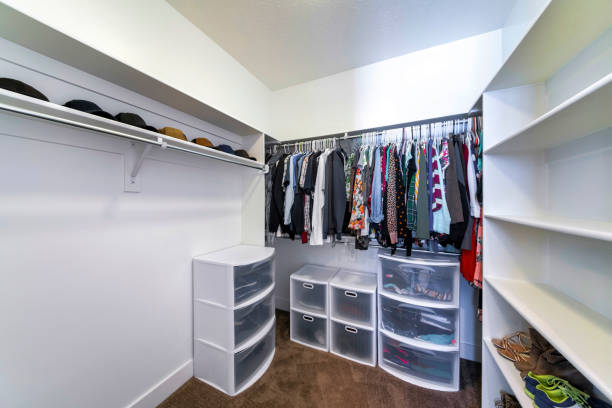
Understanding the application suitability of each wardrobe type is essential when choosing between PP plastic and non-woven fabric options. The choice of material can impact not only load capacity but also the overall design flexibility required for your specific use case.
Heavy-Duty Commercial Use: Suitable for hotels, schools, apartments, and any space where the wardrobe will be subjected to frequent use and needs to support heavy clothing, bedding, or other items.
High-Humidity Environments:Ideal for environments such as bathrooms, laundromats, and coastal locations, where the wardrobe is exposed to moisture and needs to resist corrosion.
Long-Term Investment: If you need a wardrobe that will withstand daily wear and tear without degrading over time, PP plastic is a more durable option.
Temporary and Lightweight Solutions:Perfect for homes, apartments, or student dormitories where flexibility and easy assembly are key.
Cost-Effective Storage: Non-woven fabric wardrobes are often a more affordable option for budget-conscious buyers.
Promotional and Gift Items: Due to their customizable designs and lightweight structure, these wardrobes are often used as promotional items or gift sets in corporate giveaways or trade shows.
When sourcing either PP plastic wardrobes or non-woven fabric wardrobes for bulk orders or wholesale, it’s essential to ensure that the products comply with relevant industry standards and quality control measures.
REACH & RoHS:Both PP plastic and non-woven fabric wardrobes should comply with European Union REACH (Registration, Evaluation, Authorization, and Restriction of Chemicals) and RoHS (Restriction of Hazardous Substances) standards, ensuring they do not contain harmful chemicals or materials.
ISO 9001: Look for suppliers that are ISO 9001 certified, which indicates that the manufacturer follows strict quality management systems for consistent production and product performance.
Physical Testing: Load-bearing tests, UV resistance tests, and abrasion resistance are crucial for determining the wardrobe’s ability to handle daily usage without degrading.
Both PP plastic wardrobes and non-woven fabric wardrobes offer unique advantages and can be suitable for different commercial applications.The decision ultimately depends on factors like load-bearing requirements, environmental conditions, design flexibility, and cost-efficiency.
For businesses seeking a long-lasting, high-capacity storage solution, PP plastic wardrobes may be the better choice. However, for lighter-duty applications where flexibility and cost are more important, non-woven fabric wardrobes offer a great option with the possibility for custom design and easy assembly.
PP Plastic Wardrobes vs. Non-Woven Fabric Wardrobes
Feature
| PP Plastic Wardrobe
| Non-Woven Fabric Wardrobe
|
Material | Polypropylene Plastic (PP) | Steel Frame with Non-Woven Fabric Cover |
Waterproof | Yes | NO |
Load-Bearing Capacity | High | Moderate |
Durability | High, Resistant to Deformation | Lower, May Sag or Stretch |
Assembly | Requires Minimal Assembly, Pre-assembled Options | Easy Assembly, Typically DIY |
Cost | Moderate to High | Low to Moderate |
Breathability | Low (Not breathable) | High (Breathable Fabric) |
Customization | Limited in design customization | High, Customizable Sizes, Colors, and Design |
Best For | Heavy-duty use, high humidity areas | Light-duty, Temporary, or Budget-Conscious Applications |
For further information or any inquiries, please feel free to visit our website at www.ykdajue.com or contact us via email at admin@ykdajue.cn or jack@ykdajue.cn. For more details, you are also welcome to explore our website at www.ykdajue.com.


