
English
Author: Site Editor Publish Time: 2026-05-07 Origin: Site
In the world of B2B procurement, particularly when dealing with non-woven fabric shoe racks and traditional wooden shoe cabinets, it is important to understand the structural differences that influence product selection. Procurement managers, retail buyers, and commercial institutions such as hotels, schools, and e-commerce suppliers need to weigh factors like durability, flexibility, environmental considerations, cost-effectiveness, and assembly ease when sourcing these storage solutions.
This article delves into the structural differences between Non Woven Shoe Racks and Traditional Wooden Shoe Cabinets, exploring their materials, manufacturing processes, and how these elements impact functionality and marketability for OEM/ODM suppliers.
One of the most significant structural differences between Non Woven Shoe Racks and Traditional Wooden Shoe Cabinets lies in the materials used. Each material offers distinct benefits and challenges, which are important considerations for buyers looking to offer the best products to their customers.
Material Composition: Non-woven fabric is made from synthetic fibers that are bonded together to form a durable, lightweight material. This fabric is often combined with plastic or metal supports to provide structure and flexibility.
Advantages: Non-woven fabric is lightweight, breathable, and easy to handle. It is particularly suited for environments where flexibility and portability are essential. The fabric allows for airflow, which helps to keep shoes fresh and dry.
Disadvantages: While non-woven fabric is durable, it may not provide the same level of long-term structural integrity as wood. However, it offers a significant cost advantage, which is crucial for bulk orders and retail-ready products.
Material Composition: Wooden shoe cabinets are typically made from solid wood or composite wood materials like MDF (Medium Density Fiberboard). These materials offer superior weight support and sturdiness.
Advantages: Wood offers exceptional durability, sturdiness, and an elegant aesthetic. It is ideal for high-end markets and can hold heavier loads, making it suitable for environments where the weight capacity is crucial.
Disadvantages: Wood can be heavier and more prone to scratches or water damage without proper sealing. Additionally, wooden cabinets may require more time and skill to assemble compared to fabric-based racks.
The structural design of a shoe rack or cabinet directly affects its load-bearing capacity and its suitability for various use cases. Non Woven Shoe Racks are generally designed with an open-frame structure, while Wooden Shoe Cabinets offer enclosed storage.
Design Features: These racks are often open-frame designs, meaning that the shoes are stored on shelves that are exposed, making it easy to access them. The use of lightweight metal frames or plastic components helps maintain stability while minimizing overall weight.
Load-Bearing Capacity: Non-woven fabric racks are designed to support a moderate amount of weight. They typically hold a few pairs of shoes per shelf, making them ideal for light-duty use such as in residential or small retail settings.
Assembly Ease: Non-woven racks are designed for easy assembly, with snap-together or hook-and-loop fasteners making them simple to put together without requiring specialized tools. This ease of assembly is particularly important for bulk orders and retail-ready packaging.
Design Features: Wooden shoe cabinets generally offer an enclosed storage solution with doors, drawers, or shelves to store shoes. These cabinets often feature sophisticated designs that provide additional storage options like compartments for accessories.
Load-Bearing Capacity: Wooden cabinets are built to hold heavier loads. They can support more pairs of shoes and provide a sturdier, more robust solution for environments that require a higher weight capacity, such as commercial spaces like hotels or retail stores.
Assembly Complexity:Wooden cabinets tend to require more complex assembly,often involving screws, nails, and more precise assembly instructions. This complexity can increase the cost of assembly and the final product.
In today’s market, environmental sustainability is an essential factor for many B2B buyers, especially when sourcing products for commercial use. Non-woven fabric products often meet specific environmental and safety standards, whereas wooden products must adhere to different guidelines.
Environmental Considerations: Many non-woven fabric products are made from recyclable materials, making them a more environmentally friendly option. However, the sustainability of non-woven fabric products can vary depending on the type of synthetic materials used.
Safety Standards: Non-woven fabric is typically tested for harmful chemicals, ensuring compliance with REACH, RoHS, and OEKO-TEX standards. These products can also be subjected to UV resistance tests to ensure that they won’t degrade in sunlight.
Eco-friendly Manufacturing: Some manufacturers focus on producing non-woven fabric products that adhere to eco-friendly practices, reducing their carbon footprint and meeting growing consumer demand for sustainable goods.
Environmental Considerations:Wooden products, particularly those made from composite wood, can be subject to environmental concerns such as deforestation and the use of adhesives containing harmful chemicals. However, manufacturers adhering to FSC (Forest Stewardship Council) standards can ensure that the wood is sustainably sourced.
Safety Standards: Wooden products must comply with standards like ISO 9001 for quality control and Formaldehyde Emission Standards for composite materials. Ensuring that wooden products meet these standards is vital for meeting environmental safety guidelines.
One of the key factors influencing procurement decisions is the price.For suppliers managing bulk orders,OEM, or ODM, pricing plays a significant role in selecting the right product for their target market.
Product Type |
Material Cost |
Assembly Cost |
Retail Price |
Target Market |
Non-Woven Shoe Rack |
Low |
Low |
Low |
Retail, Home Use, Small Businesses |
Wooden Shoe Cabinet |
High |
Moderate to High |
High |
Commercial Spaces, High-End Retail |
Non-woven fabric racks are more cost-effective to manufacture, offering a price advantage for wholesale and bulk orders. However, wooden cabinets tend to have a higher price point due to their sturdiness and premium aesthetic, making them ideal for high-end retail and commercial environments.
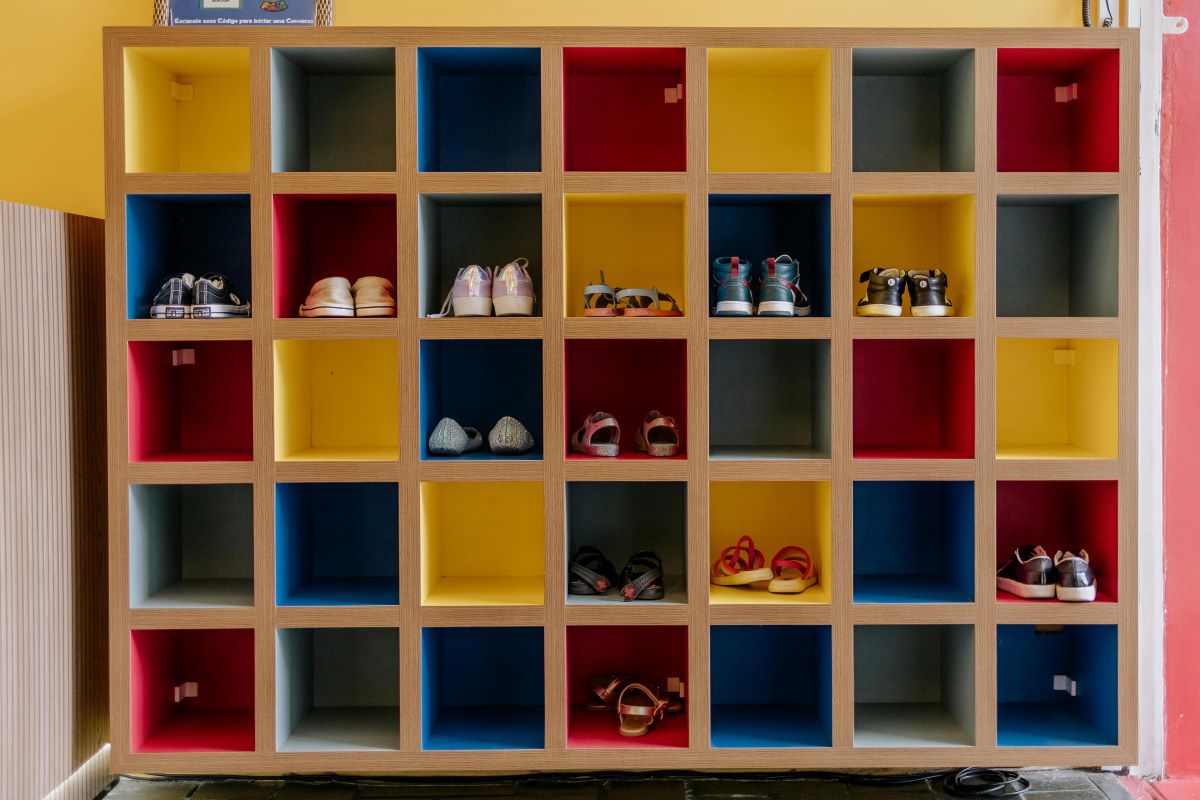
Customization options are an important consideration for businesses looking to tailor their products to specific needs. Both Non Woven Shoe Racks and Wooden Shoe Cabinets can be customized to meet unique requirements, whether it’s for retail displays or commercial use.
Branding: Non-woven fabric can easily be customized with logos, colors, and patterns to meet branding requirements for retail and promotional purposes.
Flexible Design: These racks can be designed in various shapes and sizes, making them adaptable to different spaces and consumer preferences.
Premium Branding: Wooden cabinets can also be customized with logos, engraving, and high-quality finishes to appeal to premium markets.
Material Variety: Different types of wood or composite materials can be selected based on the intended market, allowing for a high degree of design customization.
When deciding between Non Woven Shoe Racks and Traditional Wooden Shoe Cabinets,B2B procurement managers must consider factors such as load-bearing capacity, material sustainability, assembly ease, and price. For businesses looking to offer cost-effective, flexible solutions, non-woven fabric products are ideal. However, for markets that require robust and premium solutions, wooden shoe cabinets provide a durable and elegant choice.
For further information or any inquiries, please feel free to visit our website at www.ykdajue.com or contact us via email at admin@ykdajue.cn or jack@ykdajue.cn. For more details, you are also welcome to explore our website at www.ykdajue.com.


