Welcome to be our next partner! Email: admin@ykdajue.cn / Email: jack@ykdajue.cn

Author: Site Editor Publish Time: 2026-04-30 Origin: Site
In the fast-paced world of B2B procurement, ensuring the quality and stability of non-woven fabric storage products is essential for both suppliers and purchasers. Manufacturers of Non Woven Wardrobe, Non Woven Shoe Cabinet, and Plastic Shoe Racks must adhere to strict quality control measures to meet the growing demands for durability, safety, and functionality. This article explores the various steps factories take to guarantee product stability, from raw material selection to final product testing, and how businesses can assess suppliers based on these factors.
The global demand for non-woven fabric storage solutions, particularly in the B2B sector, is driven by the need for products that offer both practicality and customization. Non Woven Wardrobes and Non Woven Shoe Cabinets serve crucial roles in various commercial and residential settings, including hotels, schools, apartments, and home use. These products must not only be visually appealing but also possess robust structural integrity and comply with relevant environmental and safety standards. Quality control processes ensure that each product meets these criteria, providing customers with reliable, long-lasting storage solutions.
Key Aspects of Quality Control:
Material Selection: Non-woven fabric must be of high quality to withstand the rigors of everyday use. Factories typically conduct rigorous material testing to confirm that it is both durable and breathable, ensuring the long-term usability of products like wardrobes and shoe cabinets.
Assembly and Construction: The method of assembling non-woven fabric storage products can significantly impact their durability. Factories will often perform strength tests on joints and connections to ensure that they can bear the weight of the items they are designed to hold.
Manufacturers of Plastic Shoe Racks and non-woven fabric storage products must adhere to specific quality control tests to guarantee product reliability. Below are some of the most important tests performed during the production process:
Weight Per Unit Area (GSM) Testing: Non-woven fabric weight (measured in GSM) is a critical factor in the durability of wardrobes and shoe cabinets. A higher GSM indicates better strength and durability.
Breathability and Durability: Non-woven fabrics are tested for breathability to prevent odor buildup and ensure the freshness of stored clothes and shoes. Durability tests check for wear and tear after extended use.
Load-Bearing Capacity: For storage products such as wardrobes and shoe racks, load-bearing tests are crucial. Factories use standardized methods to assess how much weight the products can safely support without collapsing or becoming deformed.
UV and Moisture Resistance: Non-woven fabrics are also subjected to tests for UV resistance to ensure that they won’t degrade under direct sunlight, especially for outdoor use. Additionally, moisture resistance ensures that products do not become compromised in humid environments.
Factories producing OEM and ODM storage solutions must adhere to international quality standards to ensure the product's reliability. These include:
ISO 9001 Quality Management Systems: Ensuring that the factory follows standardized processes in every phase of production.
REACH and RoHS Compliance: Ensuring that the materials used in the products are safe for the environment and human health.
Test for Physical Performance: This includes testing for things like weight capacity and resistance to stress (e.g., seam strength, plastic connectors).
When sourcing Non Woven Wardrobes, Plastic Shoe Racks, and other storage products, procurement teams must evaluate the manufacturer's ability to meet both product specifications and industry standards. A reliable supplier should be able to demonstrate compliance with the following:
OEM/ODM Capabilities: The ability to offer customized solutions and adapt to bulk orders.
Production Efficiency: Assessing a supplier's production capacity, lead times, and delivery reliability is crucial for meeting deadlines and maintaining stock levels.
Quality Certifications: Valid certifications like ISO 9001, RoHS, and OEKO-TEX help to validate the factory’s adherence to international quality standards.
An often overlooked aspect of procurement is packaging. The packaging of non-woven fabric products should meet retail-ready standards, ensuring that the products arrive undamaged and ready for sale. Retail ready packaging often requires careful attention to design, color, and durability.
Sea Freight Packaging Standards: Products must be able to withstand transportation conditions. Factory testing ensures that packaging meets these standards to avoid product damage during shipping.
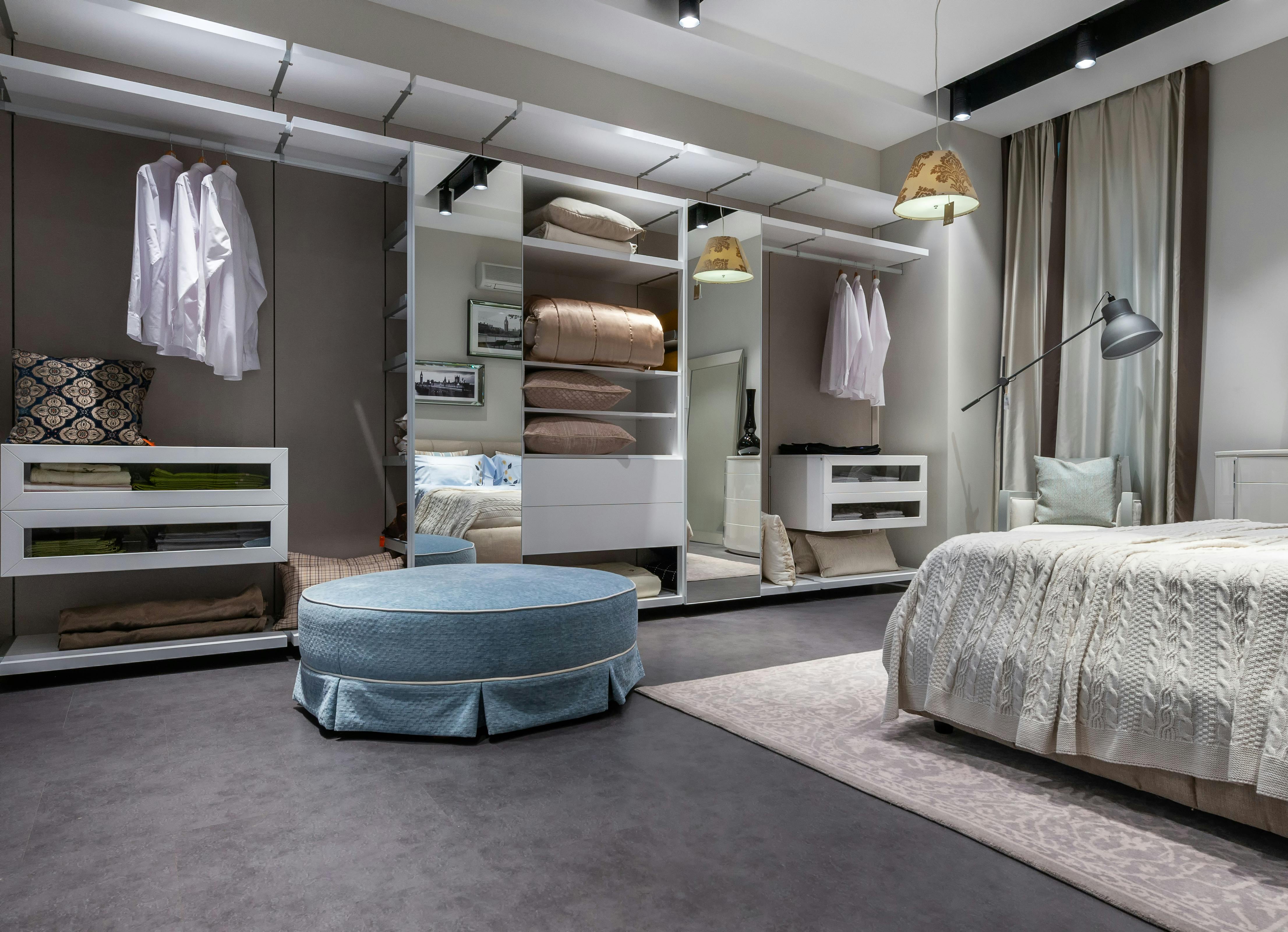
When selecting Non Woven Wardrobe and Plastic Shoe Rack suppliers, it's essential to consider the various applications and how these products can be tailored to different markets. The ability to customize products for specific commercial applications is a key advantage for OEM/ODM suppliers.
Commercial Spaces: In hotels, schools, and apartments, non-woven fabric wardrobes and plastic shoe racks must be highly functional and able to withstand heavy usage. The ability to offer bulk orders, easy assembly, and custom branding is highly valued in these markets.
Residential Use: Consumers often prefer non-woven fabric products due to their light weight, ease of assembly, and affordability. The flexibility of design and the ability to match home decor trends are important factors in the retail market.
The market for non-woven fabric storage products is growing rapidly,driven by the increasing demand for flexible and affordable storage solutions. As environmental concerns continue to rise, eco-friendly materials will play an even greater role in shaping the future of these products. Suppliers who prioritize sustainability, customization, and innovative design will have a competitive edge in the coming years.
Key Market Insights:
Sustainability: Consumers are increasingly concerned with the environmental impact of their purchases. Suppliers that meet eco-friendly standards such as REACH and OEKO-TEX will appeal to a growing customer base focused on green practices.
Product Customization: The rise of ODM and OEM capabilities allows suppliers to create products tailored to the unique needs of different businesses, from retail chains to commercial institutions.
In conclusion, the quality control process for non-woven fabric storage products is essential in ensuring that products meet the durability, safety, and aesthetic standards required by today’s B2B customers. From material selection to final product testing, factories must adopt rigorous quality control methods to guarantee that products perform as expected over their lifespan.
For further information or any inquiries, please feel free to visit our website at www.ykdajue.com or contact us via email at admin@ykdajue.cn or jack@ykdajue.cn. For more details, you are also welcome to explore our website at www.ykdajue.com.


