Welcome to be our next partner! Email: admin@ykdajue.cn / Email: jack@ykdajue.cn

Author: Site Editor Publish Time: 2026-05-04 Origin: Site
The durability of non-woven fabric wardrobes is a crucial factor for businesses and consumers alike. As more B2B buyers, retail managers, and commercial institutions like hotels and schools turn to Non Woven Wardrobe solutions for their storage needs, understanding the manufacturing processes that ensure product durability becomes essential. In this article, we will explore how factories improve the durability of these wardrobes, focusing on the OEM/ODM manufacturing processes, material selection, and quality control measures.
When it comes to Non Woven Wardrobe production, the material selection process is critical to the wardrobe's overall durability and functionality. Non-woven fabric, compared to traditional fabric, offers several advantages, including flexibility, breathability, and resilience. The quality of the fabric used in production directly impacts the wardrobe's strength, wear resistance, and longevity.
Key Material Considerations:
GSM (Grams per Square Meter): The weight of the fabric is one of the first indicators of durability. A higher GSM indicates a denser fabric that can withstand more wear and tear. For example, wardrobes made from high GSM non-woven fabric (above 120 GSM) tend to be more durable and long-lasting compared to lower GSM fabrics.
UV and Moisture Resistance: Given that many non-woven fabric wardrobes are used in varied environments, UV and moisture resistance is a priority. Fabrics are treated to prevent degradation from sunlight and moisture, ensuring they last longer even in humid conditions.
The manufacturing process plays a vital role in improving the durability of Non Woven Wardrobe products. Factories typically follow a strict production protocol, combining advanced technology with manual craftsmanship to ensure each piece meets durability standards.
Key Production Techniques:
Reinforced Stitching and Seams: The quality of stitching is critical for preventing fabric separation. Factories use reinforced stitching to ensure that the seams of non-woven fabric wardrobes can handle the stress of daily use without falling apart.
Strong and Flexible Frame Design: Many wardrobes are designed with a strong internal frame, often made from durable plastic or metal. The frame supports the structure of the wardrobe, ensuring that it can bear the weight of stored items without warping.
Easy Assembly: To enhance usability and reduce damage during assembly, most manufacturers focus on simple, user-friendly assembly mechanisms. This includes snap-together or hook-and-loop fasteners that do not compromise the integrity of the fabric.
Quality control (QC) is another crucial aspect of ensuring the durability of Non Woven Wardrobes. Factories implement a series of rigorous tests during the manufacturing process to ensure that each product meets the necessary durability and safety standards.
Key Quality Control Tests:
Test Type | Description | Importance for Durability |
Material Strength Test | Measures the fabric’s resistance to tearing and breaking. | Ensures the fabric won’t tear under load or frequent use. |
Load-Bearing Capacity | Tests how much weight the wardrobe frame and fabric can safely hold. | Ensures the wardrobe won’t collapse or deform. |
UV Resistance Test | Assesses the fabric’s ability to withstand exposure to sunlight. | Prevents fabric degradation and maintains color and texture. |
Moisture Resistance Test | Simulates exposure to high humidity and checks for fabric degradation. | Guarantees the wardrobe’s longevity in damp environments. |
Assembly Stress Test | Simulates multiple assembly and disassembly cycles to test the integrity of the connections. | Ensures easy assembly and reassembly without structural damage. |
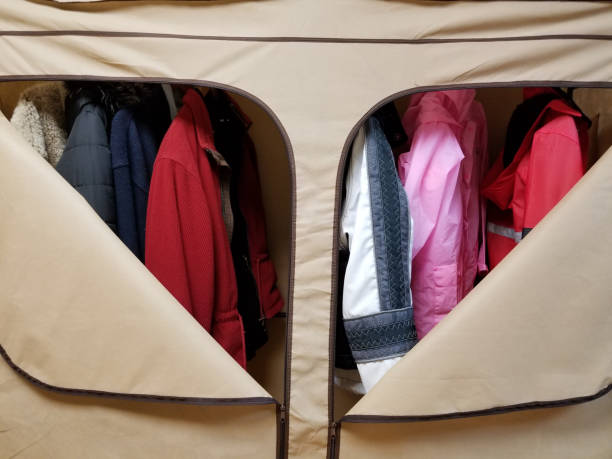
In addition to factory testing, non-woven fabric wardrobes must comply with international industry standards to ensure their durability and safety. Manufacturers that follow these standards not only improve the reliability of their products but also enhance their credibility in the market.
Relevant Industry Standards:
ISO 9001: This quality management system ensures that manufacturers adhere to standardized processes for production, testing, and packaging.
REACH: Non-woven fabrics and other materials used in manufacturing must comply with REACH standards, ensuring that they do not contain harmful chemicals.
RoHS Compliance:This standard restricts the use of hazardous materials in manufacturing, guaranteeing a safer product for both consumers and the environment.
OEKO-TEX Certification: Ensures that fabrics meet safety and environmental standards, further boosting product durability and safety.
For B2B buyers, customization plays an important role in sourcing non-woven fabric wardrobes. Manufacturers offering OEM and ODM services allow businesses to customize the design, size, color, and branding of wardrobes to meet specific needs. Customization ensures that the product not only meets durability requirements but also aligns with the brand’s identity and market positioning.
Key Customization Options:
Bulk Orders: Manufacturers offering bulk ordering services can accommodate large volume requests while maintaining high-quality standards.
Retail Ready Packaging: For retailers, packaging plays a critical role in product presentation. Factories ensure that products are packed securely and are ready for retail, helping to minimize damage during transport.
The versatility of Non Woven Wardrobes extends beyond residential use. These wardrobes are widely used in commercial and institutional settings, making them an attractive option for hotels, schools, apartments, and retail businesses.
Applications:
Hotel and Apartment Use: Non-woven fabric wardrobes are ideal for hotel rooms and apartments where space-saving and flexibility are crucial. Their easy assembly and portability make them a favorite among hotel managers.
Retail Display: For retailers, these wardrobes offer a lightweight, customizable, and cost-effective storage solution. Customized branding on these wardrobes can also serve as a promotional tool.
Home Use: The combination of durability and easy assembly makes non-woven fabric wardrobes popular for home storage solutions, from seasonal clothing storage to shoe organization.
Looking ahead, the durability of Non Woven Wardrobes is expected to remain a key factor in purchasing decisions. With increasing demand for eco-friendly, customizable, and cost-effective storage solutions, manufacturers will continue to innovate to meet these needs.
Future Trends:
Sustainability: As sustainability becomes a key focus for businesses and consumers, non-woven fabric wardrobes made from eco-friendly materials will grow in demand.
Enhanced Durability Features: With continuous research into material technology, future wardrobes will likely feature even more durable fabrics that can withstand harsher environments.
Smart Storage Solutions: The integration of smart technology, such as built-in lighting or RFID tags, could become a feature in high-end non-woven fabric wardrobes, adding both convenience and durability.
Ensuring the durability of non-woven fabric wardrobes involves a combination of careful material selection, advanced manufacturing techniques, and strict quality control. By focusing on these key factors, factories can produce reliable products that meet the needs of B2B buyers, retailers, and commercial institutions alike. Understanding these processes will help procurement managers make informed decisions when sourcing storage solutions that offer long-term durability and reliability.
For further information or any inquiries, please feel free to visit our website at www.ykdajue.com or contact us via email at admin@ykdajue.cn or jack@ykdajue.cn. For more details, you are also welcome to explore our website at www.ykdajue.com.


